
The 2026 Lucknow Cashless Hospital Guide: How to Choose the Right Health Insurance
Table of Contents
- Key Takeaways
- Introduction
- What Exactly Is Cashless Health Insurance?
- Why Lucknow Residents Need to Pay Special Attention
- How Many Cashless Hospitals Does Lucknow Actually Have?
- The Big IRDAI Rule Changes You Must Know About (2025-26)
- How to Choose the Right Health Insurance Plan (Lucknow Checklist)
- Which Insurers Are Performing Well in 2026?
- Common Mistakes Lucknow Families Make
- How to File a Cashless Claim in Lucknow
- Frequently Asked Questions
Key Takeaways
- Rising Costs & Sum Insured: Lucknow's healthcare costs are soaring; aim for a minimum ₹10 lakh, ideally ₹15-20 lakh, as a family floater. Consider a Super Top-Up for enhanced coverage.
- Game-Changing IRDAI Reforms (2025-26): Expect cashless claims within 1-3 hours, reduced pre-existing disease waiting period to 3 years, removed age limits, AYUSH coverage, and critically, 0% GST on premiums from September 22, 2025.
- Cashless Anywhere: While primarily at network hospitals, IRDAI now mandates insurers to facilitate cashless claims even at non-network hospitals.
- Smart Plan Selection: Prioritize local network hospitals, policies with "no room rent capping," and "no co-payment" clauses. Look for restoration benefits. Premiums should not be the sole deciding factor.
- Avoid Common Pitfalls: Never rely solely on employer insurance, always disclose pre-existing conditions honestly, and buy insurance when you are young and healthy to secure better rates.
Introduction
A ₹10 lakh hospital bill can wipe out five years of a family's savings overnight.
Lucknow's healthcare landscape has transformed dramatically. The city now hosts over 100 cashless network hospitals across major insurers, and landmark IRDAI reforms have made claiming faster and fairer than ever before. Yet, most salaried professionals in this city still buy health insurance the wrong way—they pick the cheapest plan, skip the fine print, and discover the gaps only when a family member is lying in an ICU bed.
This guide is written to make sure that doesn't happen to you.
Whether you live in Gomti Nagar, Aliganj, Indira Nagar, or anywhere across Lucknow, this article will walk you through exactly what cashless health insurance means, which hospitals accept it, what has changed in the 2026 rules, and—most importantly—how to pick a plan that actually works when you need it most.
What Exactly Is Cashless Health Insurance?
Let's start from the basics, because there is still a lot of confusion around this term.
Cashless health insurance means your insurer pays the hospital directly for your treatment. You walk in, show your health card and ID, the hospital contacts your insurance company (or its Third Party Administrator - TPA), and once approved, treatment begins. You do not pay the covered amount from your pocket.
This is fundamentally different from a reimbursement claim, where you pay the entire bill first and then run around collecting documents to get your money back weeks later. Reimbursement claims are stressful, slow, and often lead to disputes.
The Critical Catch: Cashless treatment is generally available only at "network hospitals"—hospitals that have a tie-up agreement with your specific insurance company.
However, there is excellent news for 2026: IRDAI has now mandated that insurers must facilitate cashless claims even at non-network hospitals. Earlier, if your nearest hospital wasn't in the network, you were out of luck. Now, the insurer is obligated to try and process it as cashless regardless.
Why Lucknow Residents Need to Pay Special Attention
Lucknow is a Tier-2 city, but its healthcare costs are climbing fast.
- A heart surgery here can cost anywhere between ₹2 lakh and ₹8 lakh.
- A basic knee replacement runs ₹2.5 to ₹4 lakh.
- Even a routine appendectomy can set you back ₹80,000 to ₹1.5 lakh in a private hospital.
Medical inflation in India runs at 12-14% annually. That means a ₹3 lakh surgery today will cost over ₹6 lakh in just five years.
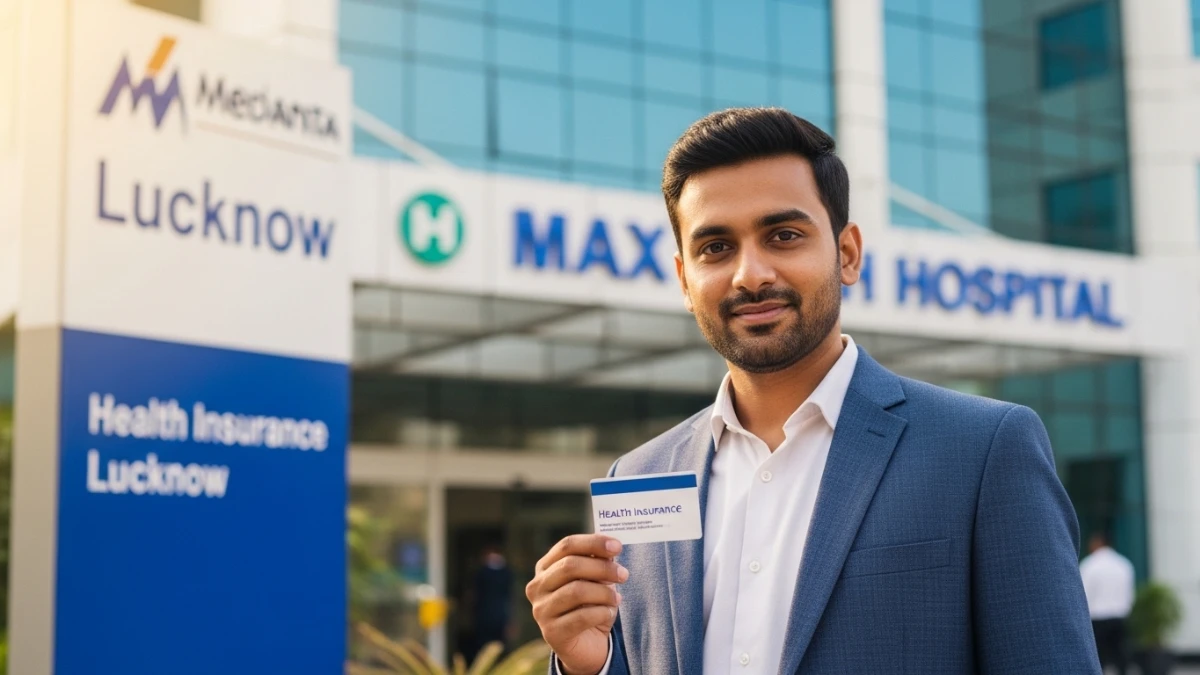
The city now has major multispecialty hospitals including Medanta (900+ beds), ApolloMedics (330 beds), Max Super Speciality Hospital (299 beds), Sahara Hospital, SGPGI, KGMU, and RMLIMS. While most of these are empanelled with leading insurers, the number of network hospitals varies significantly from insurer to insurer.
How Many Cashless Hospitals Does Lucknow Actually Have?
The answer depends entirely on which insurance company you choose. Here is a real snapshot of the current network strength:
Note: These numbers fluctuate as hospitals get added or removed from networks.
Some insurers boast "10,000+ network hospitals across India" but may have only 30 in Lucknow. That number matters when your spouse is being rushed to the nearest hospital at 2 AM.
Pro Tip: Check whether the hospitals you already trust—the ones your family doctor recommends or the ones near your home—are on the insurer's network list before you buy.
The Big IRDAI Rule Changes You Must Know About (2025-26)
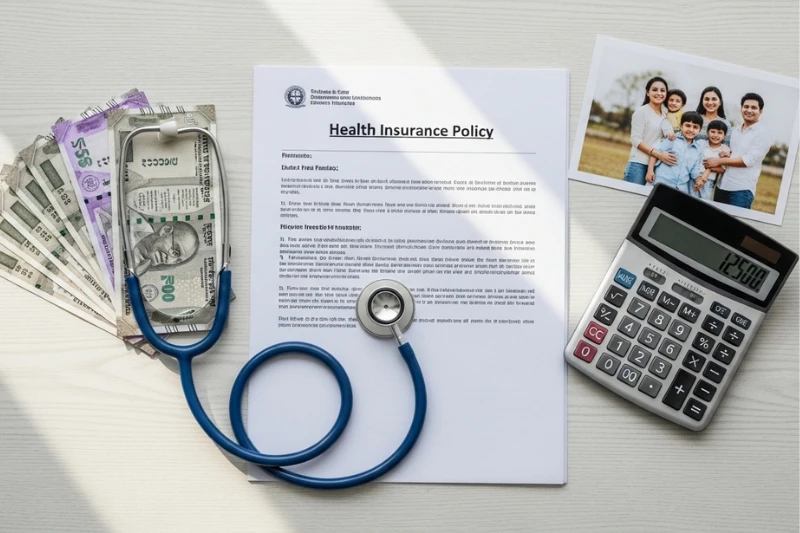
The Insurance Regulatory and Development Authority of India (IRDAI) has rolled out game-changing reforms that directly benefit you as a policyholder:
-
Cashless Claims Must Be Processed in 1-3 Hours
This is perhaps the most impactful change. Insurers are now required to approve a cashless claim request within 1 hour at the time of admission, and the final discharge authorization must come within 3 hours. If the insurer delays beyond 3 hours, any extra charges the hospital levies because of the delay must be paid by the insurer from its own funds. Data shows this is working: roughly 87% of pre-authorisations are now processed within 1 hour!
-
Pre-Existing Disease Waiting Period Reduced to 3 Years
Earlier, if you had diabetes, hypertension, or thyroid issues before buying the policy, the insurer could refuse to cover treatment for up to 4 years. This maximum waiting period has now been capped at 3 years.
-
Moratorium Period Cut to 5 Years
After 5 years of continuous coverage, the insurer can no longer reject your claim on grounds of non-disclosure (except in cases of proven fraud). This was previously 8 years.
-
No Age Limit & AYUSH Coverage
IRDAI has removed the upper age cap, meaning anyone can buy health insurance, which is a massive relief for elderly parents. Furthermore, Ayurveda, Yoga, Unani, Siddha, and Homoeopathy treatments are now fully covered at par with allopathic treatments.
-
Zero GST: Your Premiums Just Got Cheaper
From September 22, 2025, all individual health insurance premiums—including family floaters and senior citizen plans—are completely exempt from the 18% GST.
What this means: If your premium was ₹25,000, you were paying an additional ₹4,500 as GST (Total: ₹29,500). Now, you pay exactly the base premium of ₹25,000.
How to Choose the Right Health Insurance Plan (Lucknow Checklist)

Most people compare premium prices on aggregator websites and pick the cheapest option. Premium is the fifth or sixth thing you should look at—not the first.
-
Step 1: Get the Sum Insured Right.
For a salaried family in Lucknow, ₹10 lakh is the bare minimum. Ideally, aim for ₹15-20 lakh as a family floater. If your budget is tight, buy a base plan of ₹5-10 lakh and add a "Super Top-Up" of ₹20-25 lakh.
-
Step 2: Check Local Networks.
Verify if major hospitals like Medanta (Sushant Golf City), ApolloMedics (LDA Colony), and Max Super Speciality (Gomti Nagar) are covered.
-
Step 3: Say NO to Room Rent Capping.
A policy that caps room rent at "1% of Sum Insured" will proportionally reduce your entire claim (doctor fees, nursing, diagnostics) if you choose a room slightly above that cap. Always choose "no room rent capping."
-
Step 4: Avoid Co-Payment Clauses.
A 20% co-pay on a ₹5 lakh bill means you pay ₹1 lakh from your pocket. Avoid this unless buying for senior citizens where it might be unavoidable.
-
Step 5: Look for Restoration Benefits.
If your family uses up the entire sum insured in one claim, a restoration benefit refills it for subsequent claims in the same year.
Which Insurers Are Performing Well in 2026?
Claim Settlement Ratio (CSR) tells you what percentage of claims an insurer actually pays. Here are the top performers based on recent IRDAI data:
Note: Niva Bupa, Aditya Birla Health, Galaxy Health, and Narayana Health all reported 100% claims settled within 3 months in FY 2024-25 among standalone insurers.
Common Mistakes Lucknow Families Make
Having seen hundreds of cases over the years as a financial advisor, here are the traps you need to avoid:
-
Relying only on employer group cover:
Your company's insurance ends the day you leave your job. Always have a personal policy running alongside it.
-
Not disclosing pre-existing conditions:
Hiding your diabetes to save on premiums guarantees your claim will be rejected when you need it most. Honest disclosure protects you.
-
Buying insurance only for tax saving:
Section 80D gives you a deduction of up to ₹25,000 (₹50,000 for senior citizens). This is a nice side effect, but it shouldn't be the primary reason you buy.
-
Waiting until an illness strikes:
Health insurance is cheapest when you are young and healthy. The longer you wait, the more expensive it gets.
How to File a Cashless Claim in Lucknow
-
Get Admitted:
Go to a network hospital with your health insurance card and a photo ID.
-
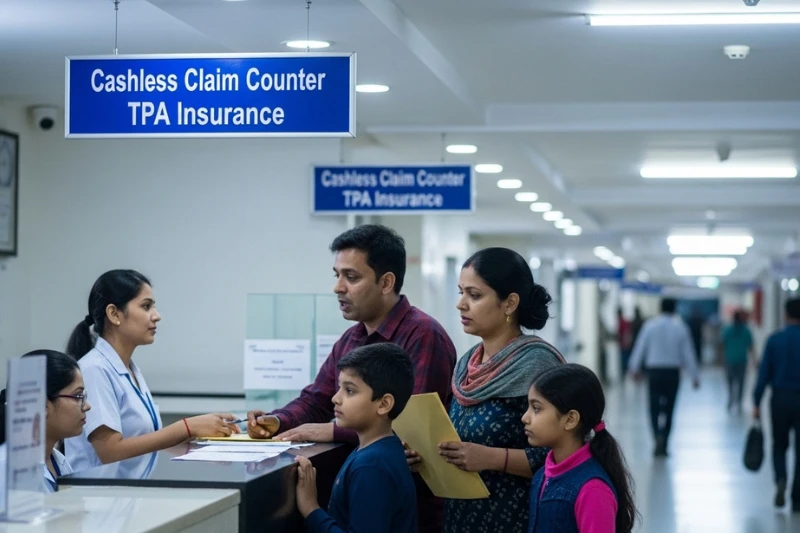
Visit the TPA Desk:
They will initiate the pre-authorisation request. The insurer must respond within 1 hour.
-
Focus on Recovery:
Get the treatment you need.
-
Discharge:
The hospital sends the final bill. The insurer must clear it within 3 hours. Pay only for non-covered items (like personal toiletries).
-
Keep Records:
Collect your discharge summary and keep copies.
(If you face any unfair delays or denials, you can register a complaint on the IRDAI's Bima Bharosa portal, which mandates resolution within 14 days).
Frequently Asked Questions
What is cashless health insurance?
Cashless health insurance means your insurer directly pays the hospital for your treatment, eliminating the need for you to pay upfront (for covered amounts). You simply present your health card and ID at a network hospital, and the insurer handles the bill after pre-approval.
How have IRDAI rules changed for 2026?
Key changes include mandatory cashless claim processing within 1 hour for admission and 3 hours for discharge, reduction of the pre-existing disease waiting period to 3 years, a moratorium period cut to 5 years, removal of the upper age limit for buying policies, full AYUSH treatment coverage, and 0% GST on individual health insurance premiums from September 22, 2025.
What Sum Insured is recommended for a family in Lucknow?
For a salaried family in Lucknow, ₹10 lakh is considered the bare minimum due to rising medical costs. Ideally, aim for ₹15-20 lakh as a family floater. A Super Top-Up plan can further enhance coverage economically.
What is "room rent capping" and why should I avoid it?
Room rent capping limits the daily amount your policy will cover for your hospital room. If you opt for a room exceeding this cap (e.g., "1% of Sum Insured"), the insurer may proportionally reduce payment for all other claim components (doctor fees, diagnostics, etc.), leading to significant out-of-pocket expenses. Always choose a plan with "no room rent capping."
Can I get cashless treatment at a non-network hospital in Lucknow?
Yes, as per new IRDAI mandates for 2026, insurers are now obligated to try and facilitate cashless claims even at non-network hospitals, even if the hospital does not have a direct tie-up with your specific insurance company. However, network hospitals still offer the smoothest experience.
Is it sufficient to rely only on my employer's health insurance?
No, it's highly recommended to have a personal health insurance policy in addition to your employer's group cover. Employer insurance ceases when you leave your job, leaving you vulnerable. A personal policy offers continuous coverage and portability, safeguarding your health even during job transitions.
Written By
Amit Kumar Dwivedi
AMFI Registered Mutual Fund Distributor (ARN-139499). Helping families in Lucknow build wealth through SIPs and smart planning.